
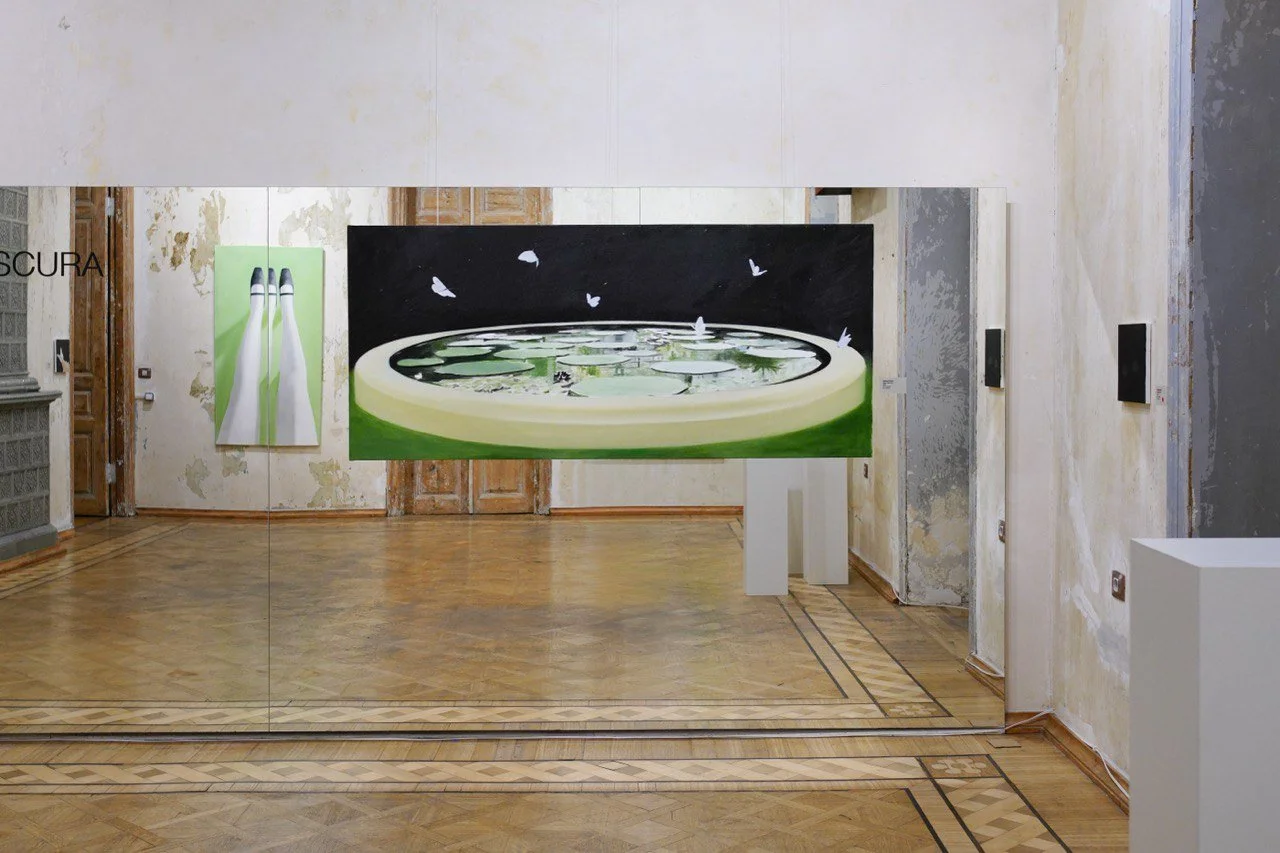
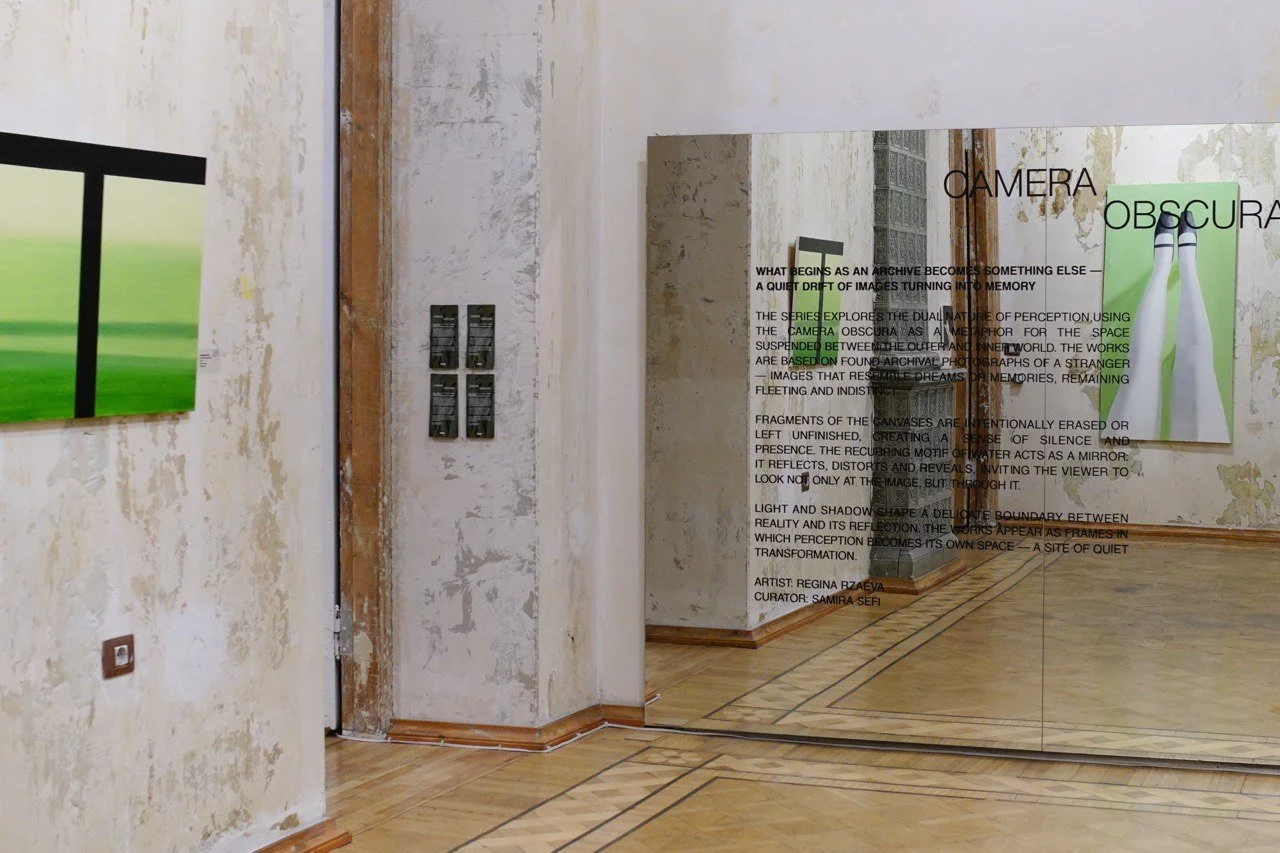
Solo Exhbition (2025)
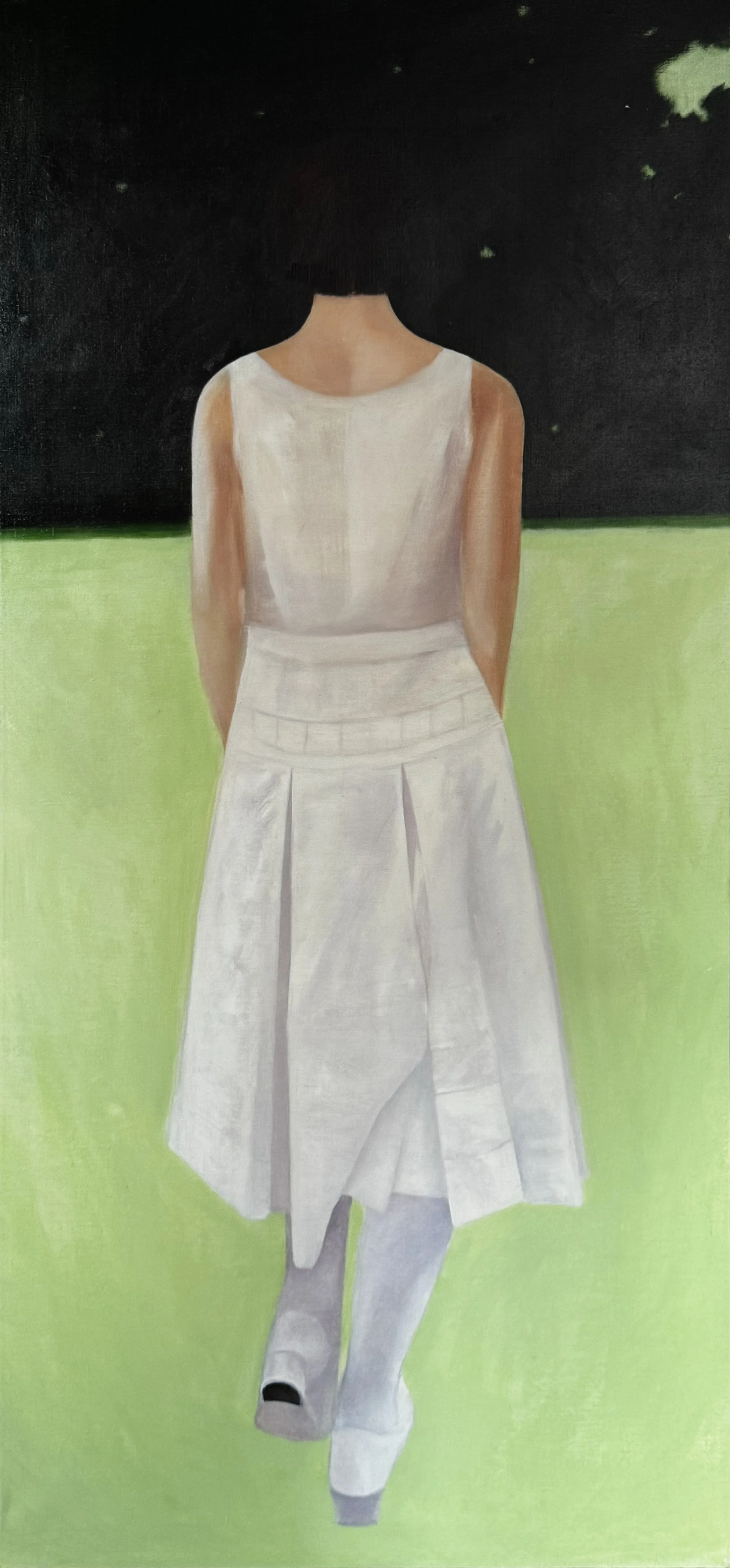
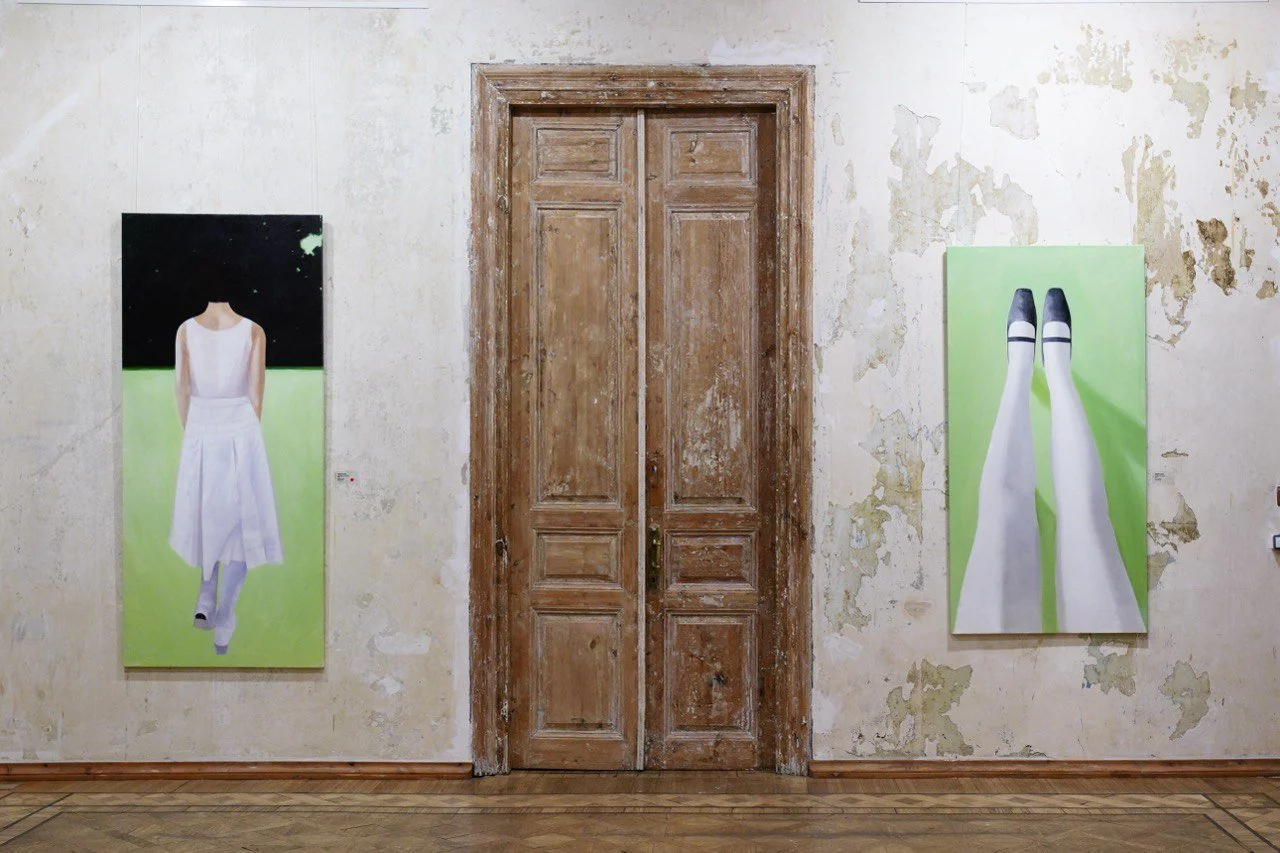
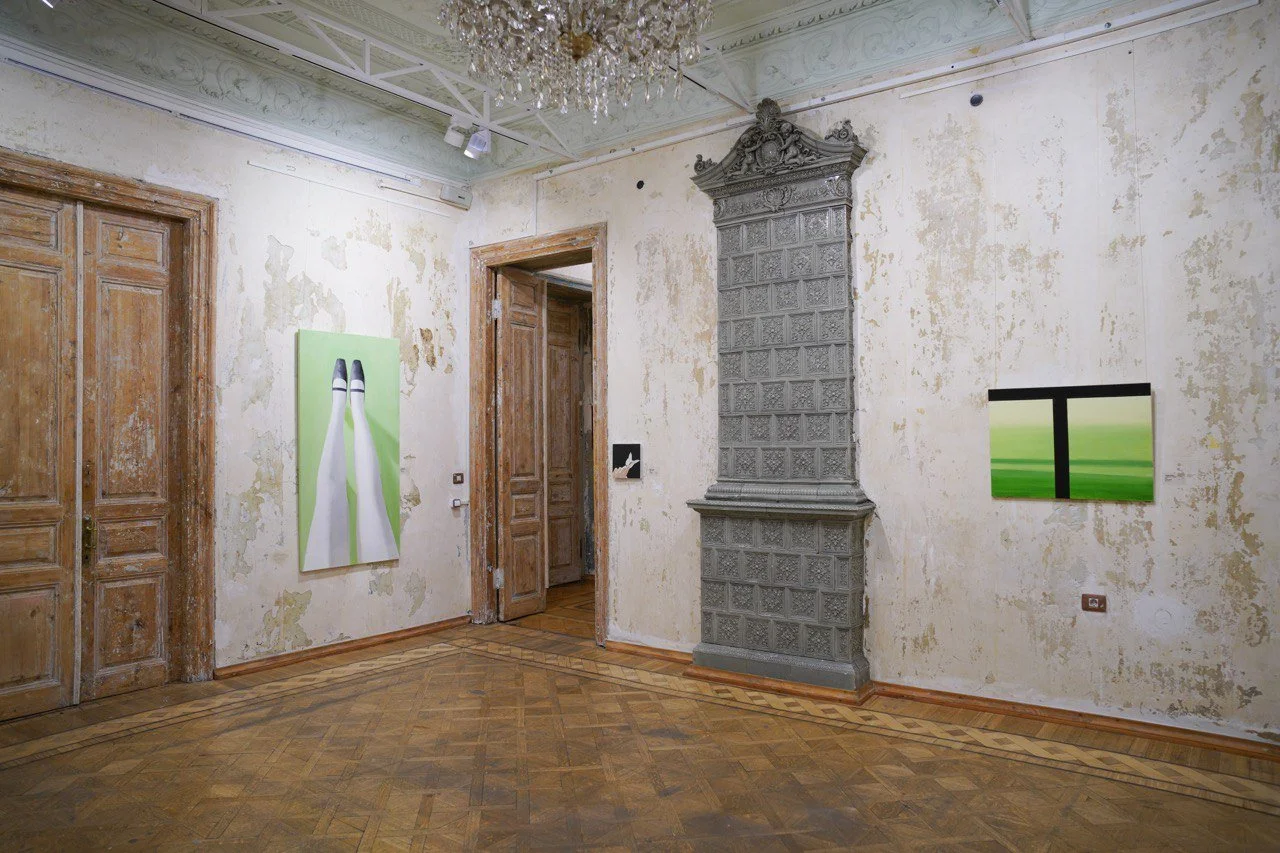
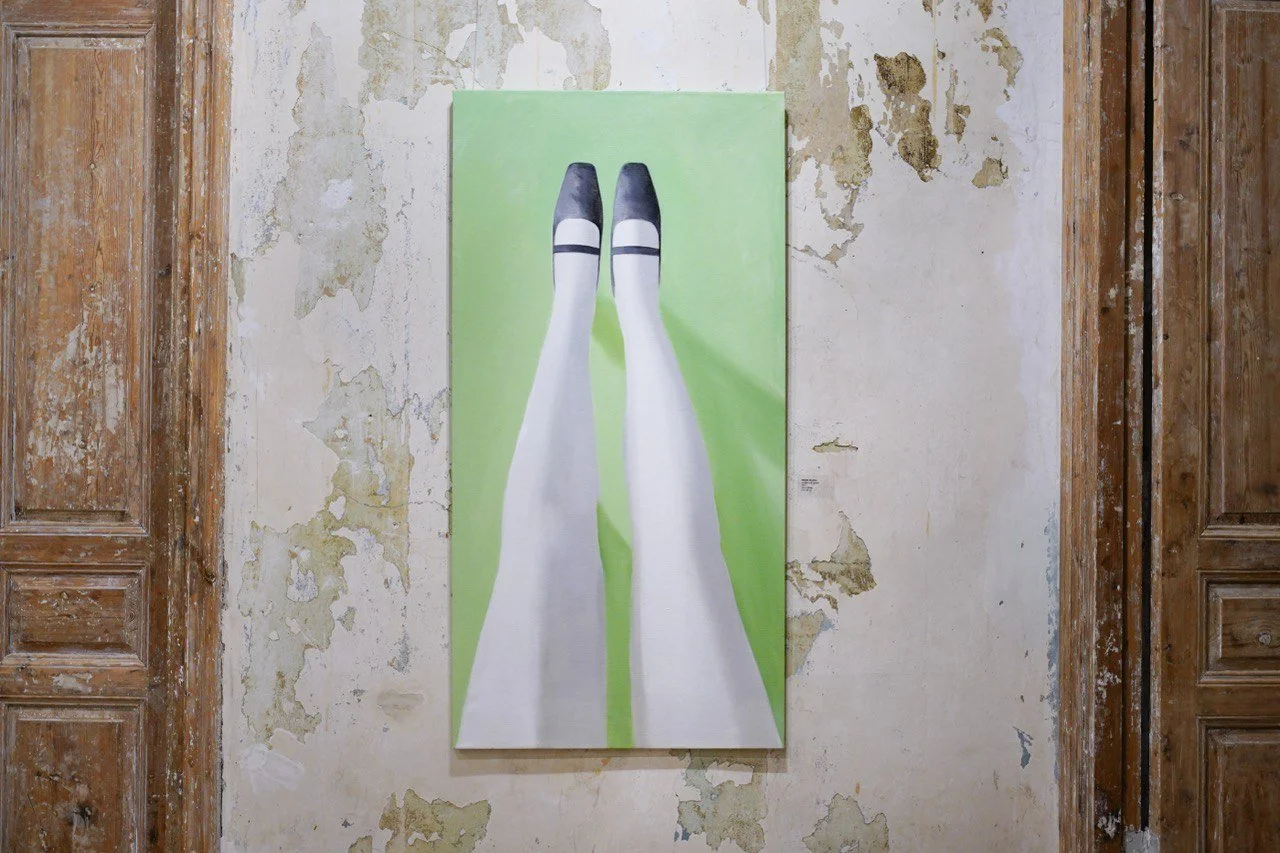
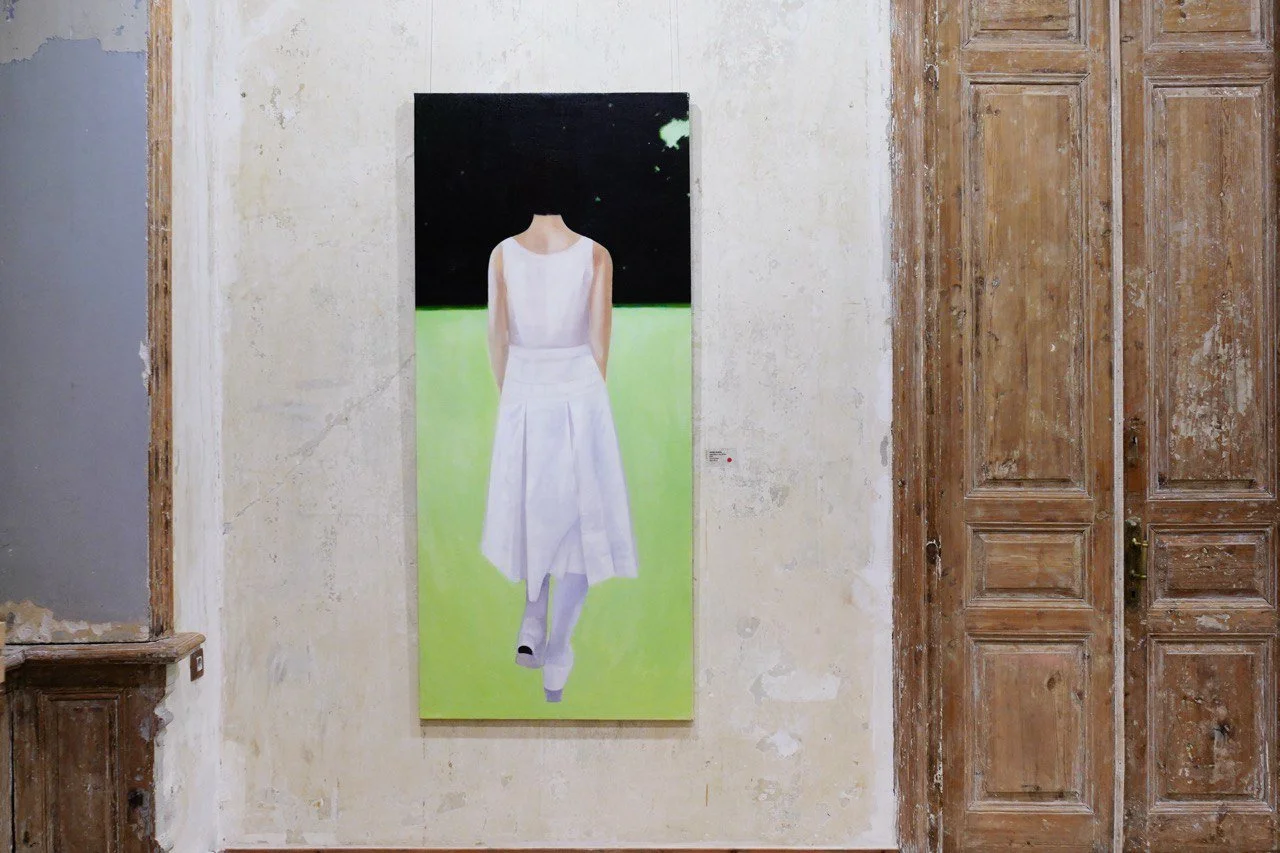
"Night walk in the garden" | oil on canvas | 200 x 89 cm (2025)
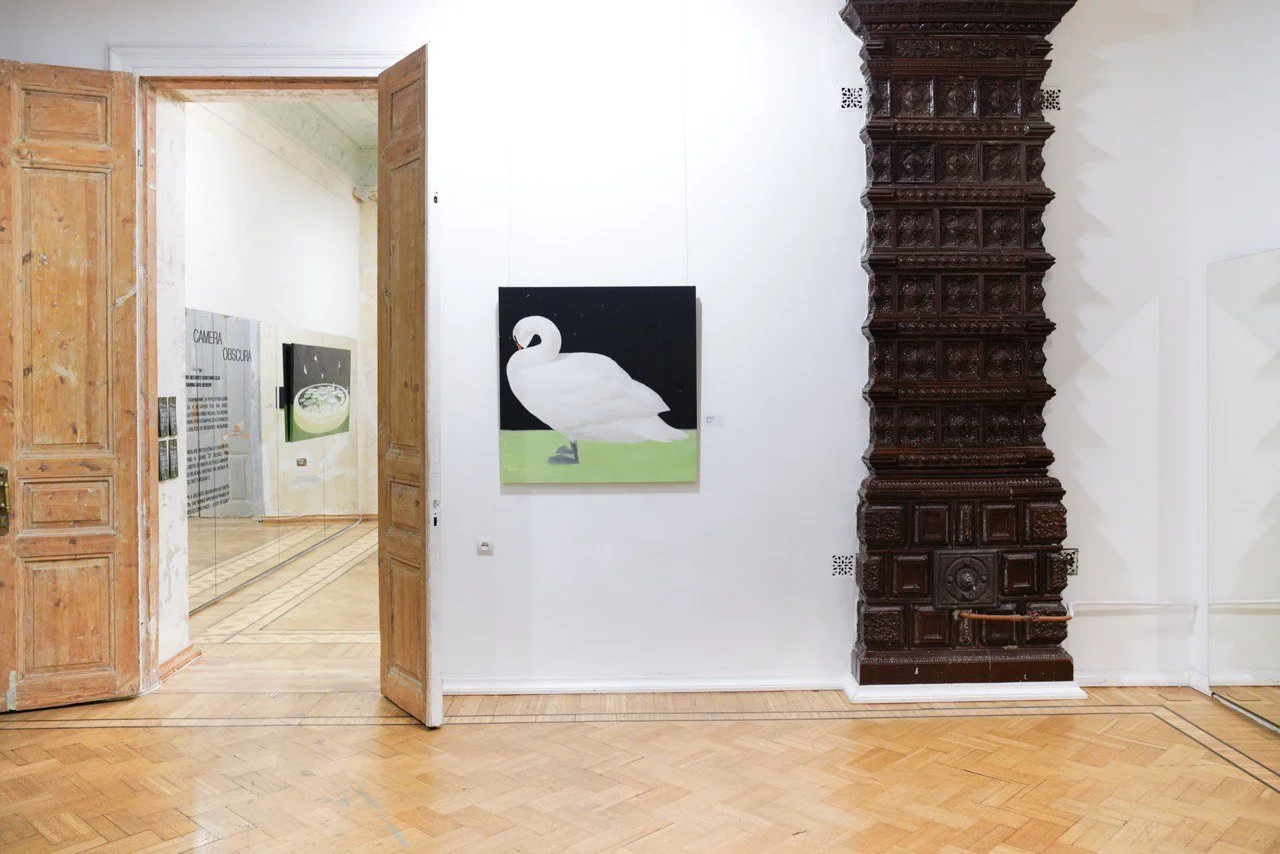
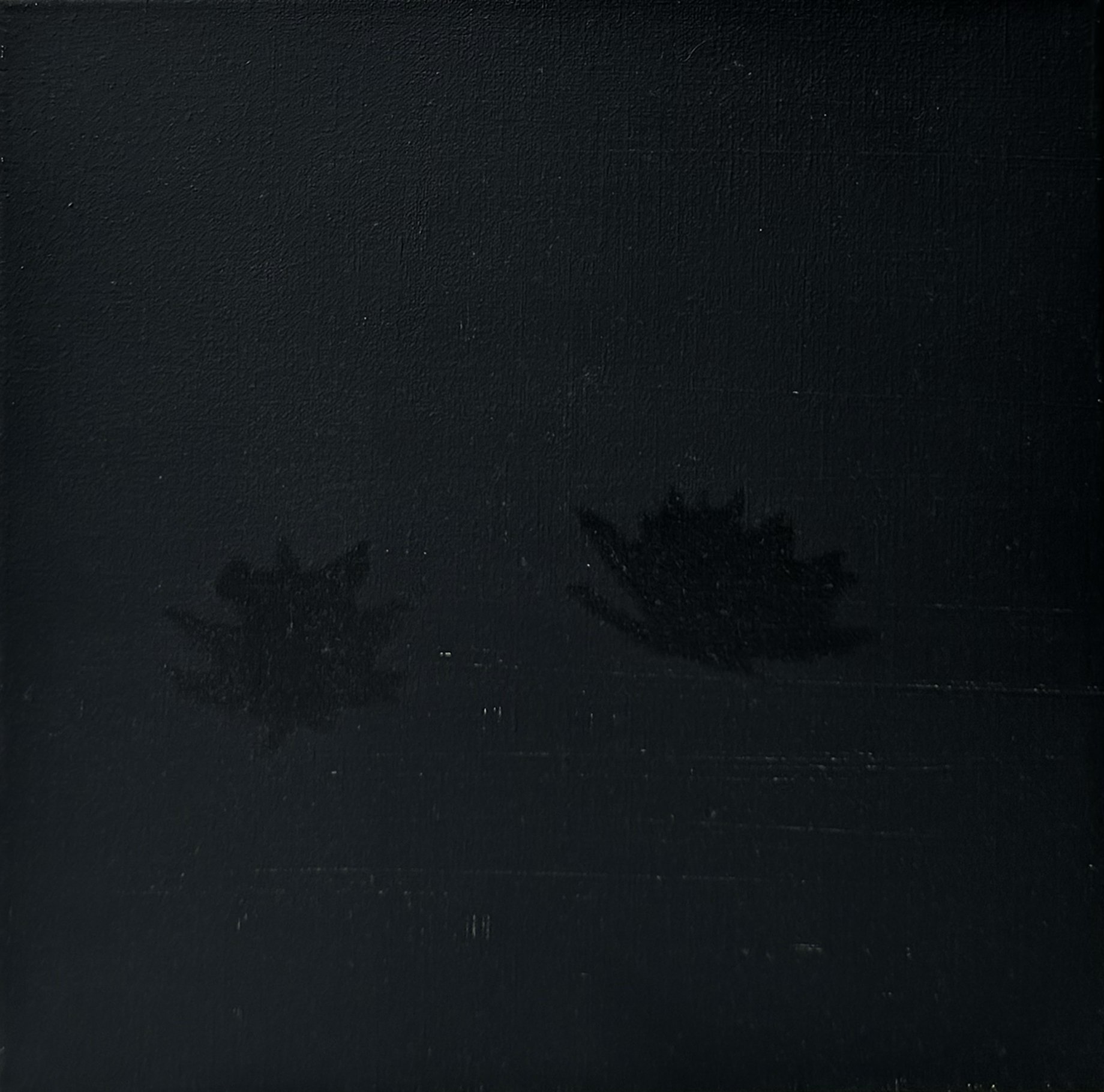
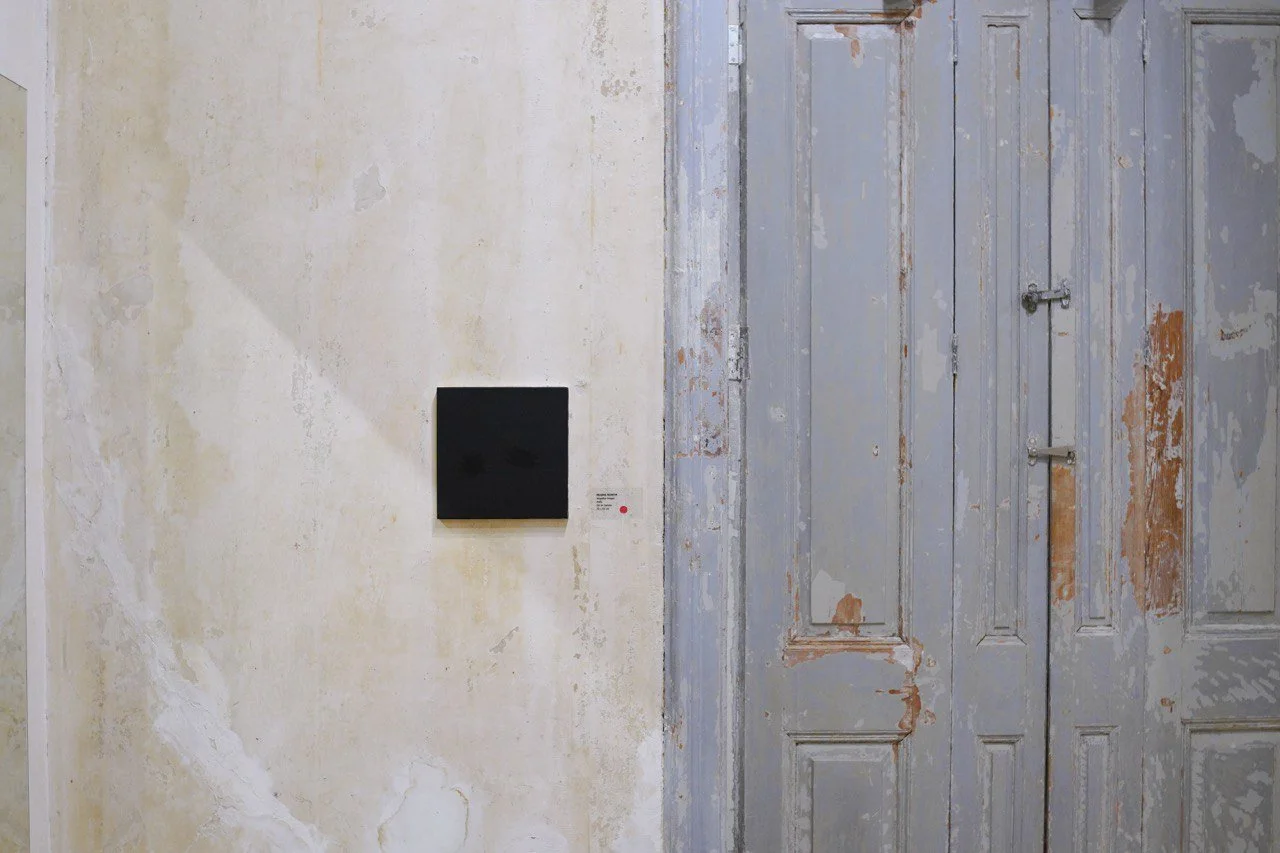
"Negative image" | oil on canvas | 25 x 25 cm(2025)

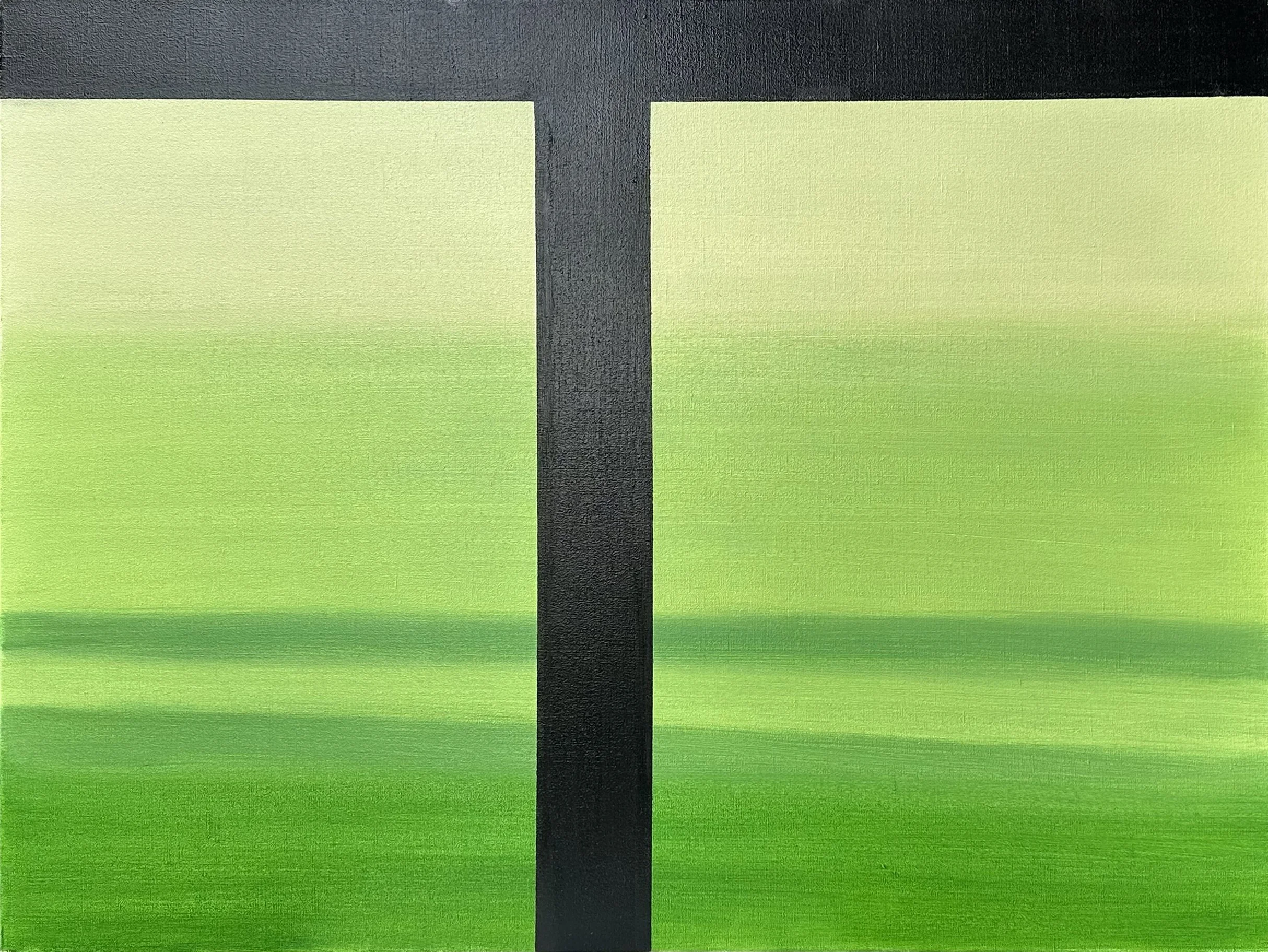
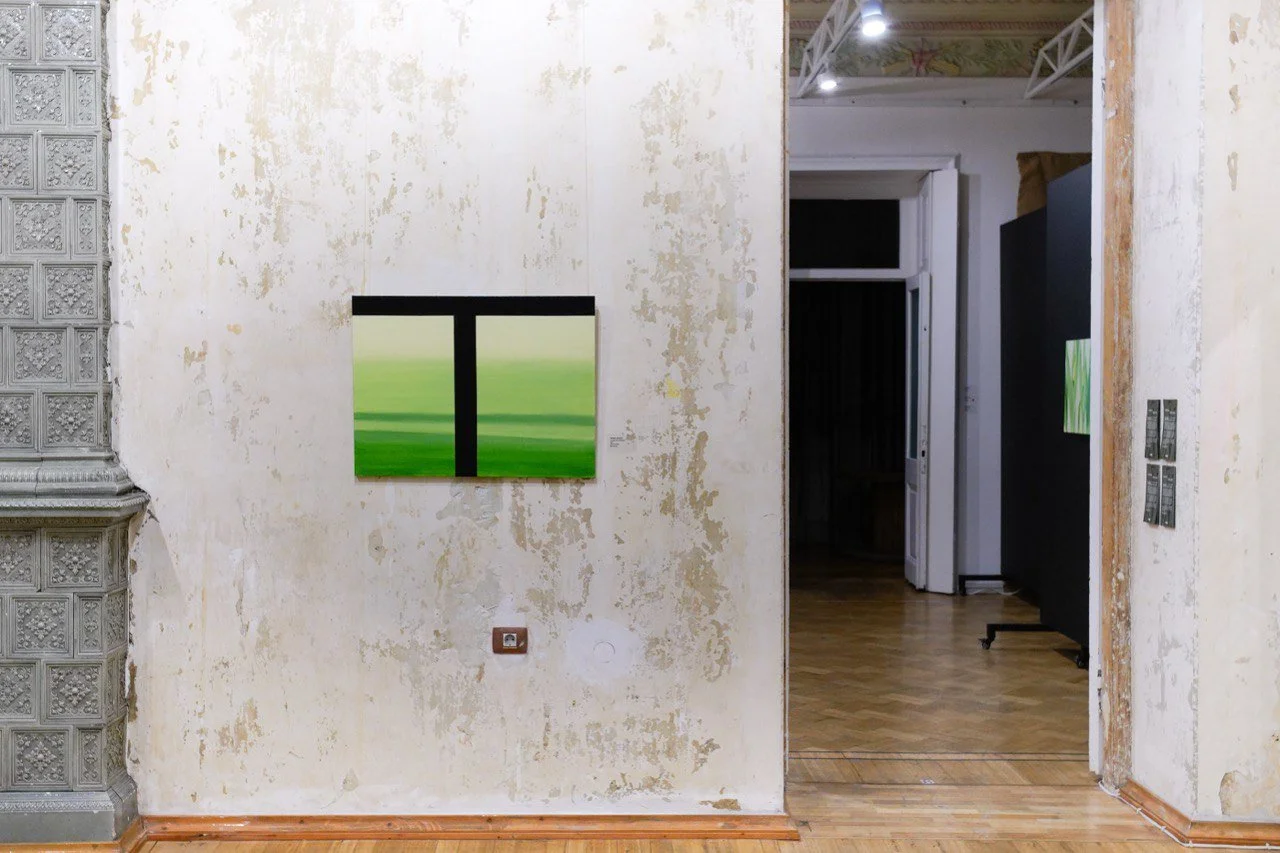
"A view from a window" | oil on canvas | 80 x 60 cm (2025)
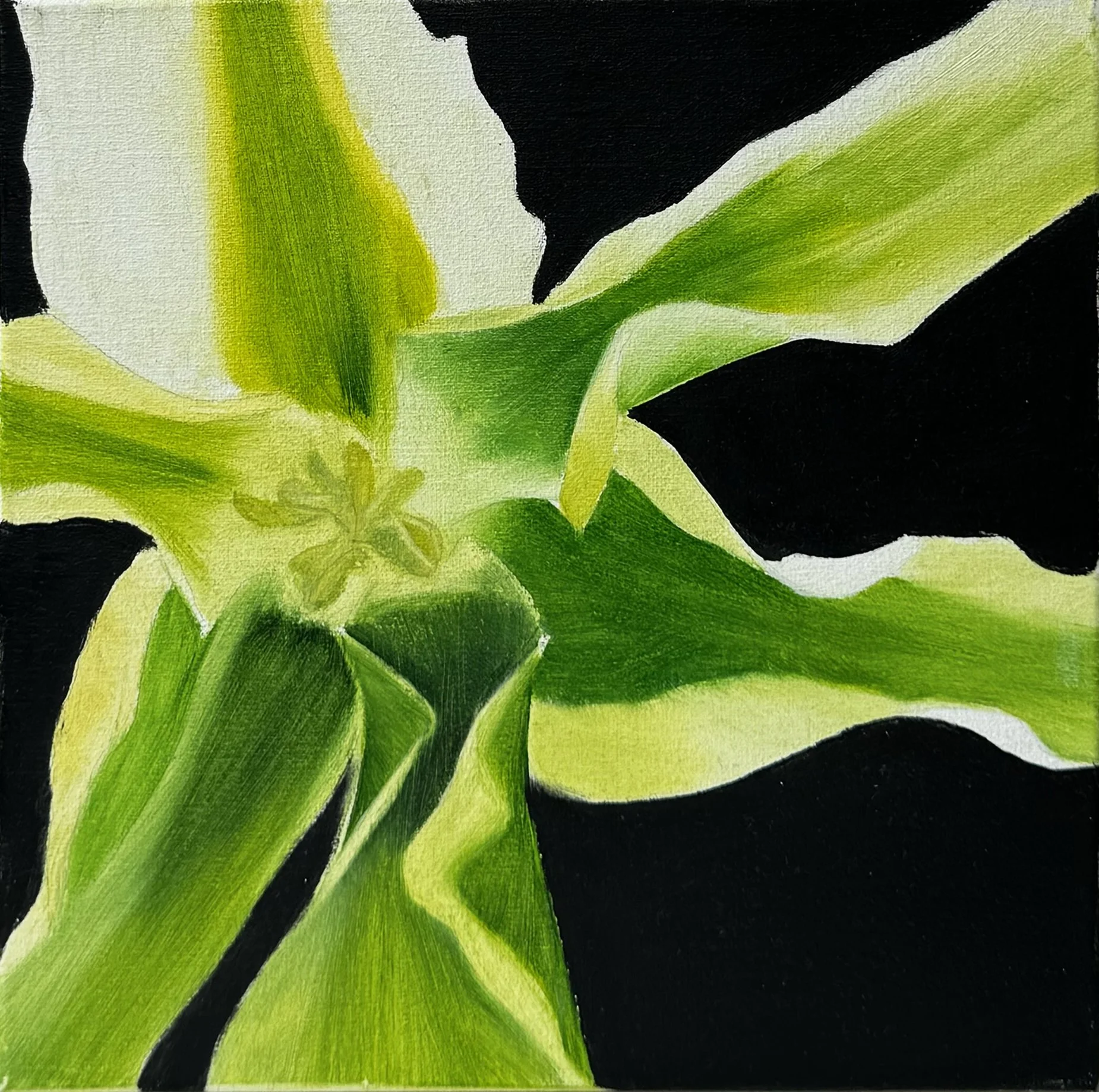
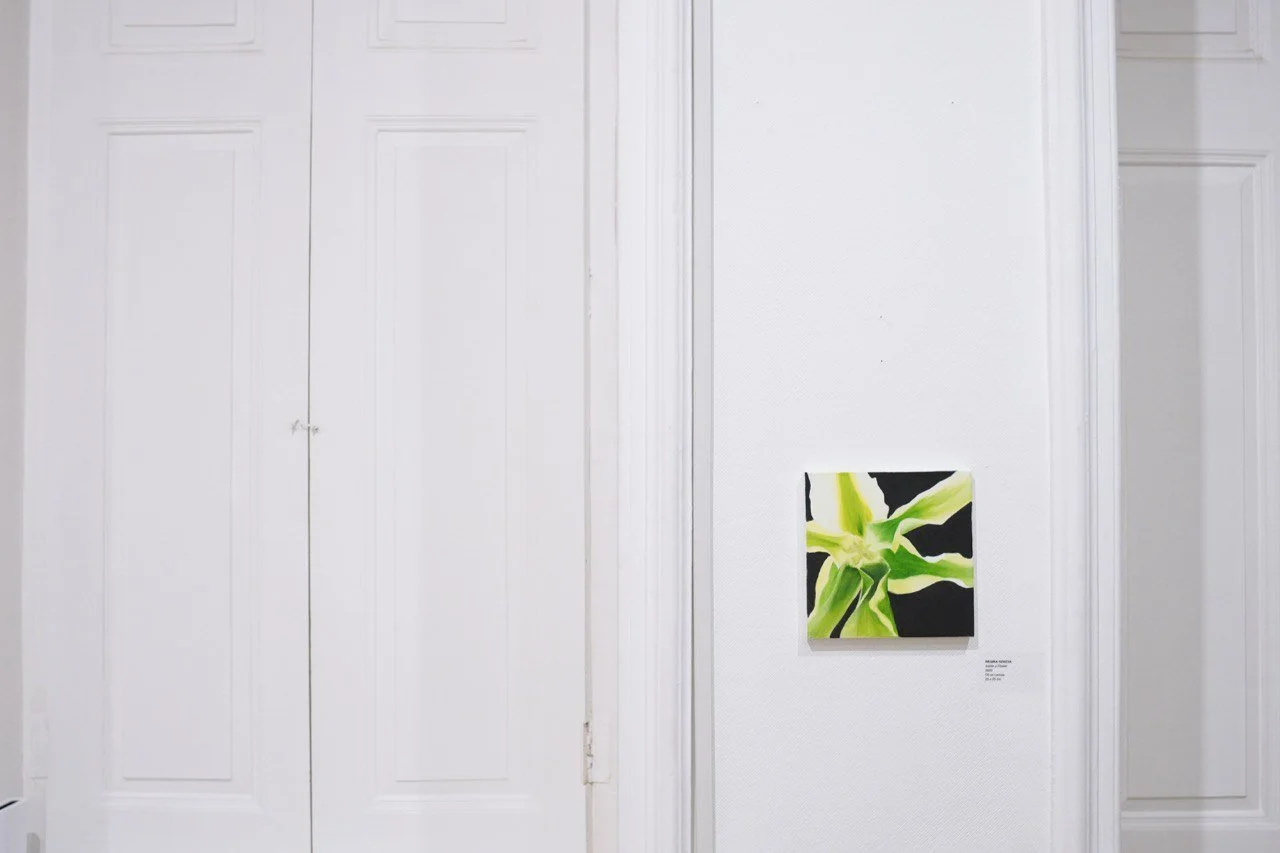
"Inside a flower " | oil on canvas | 25 x 25 cm (2025)
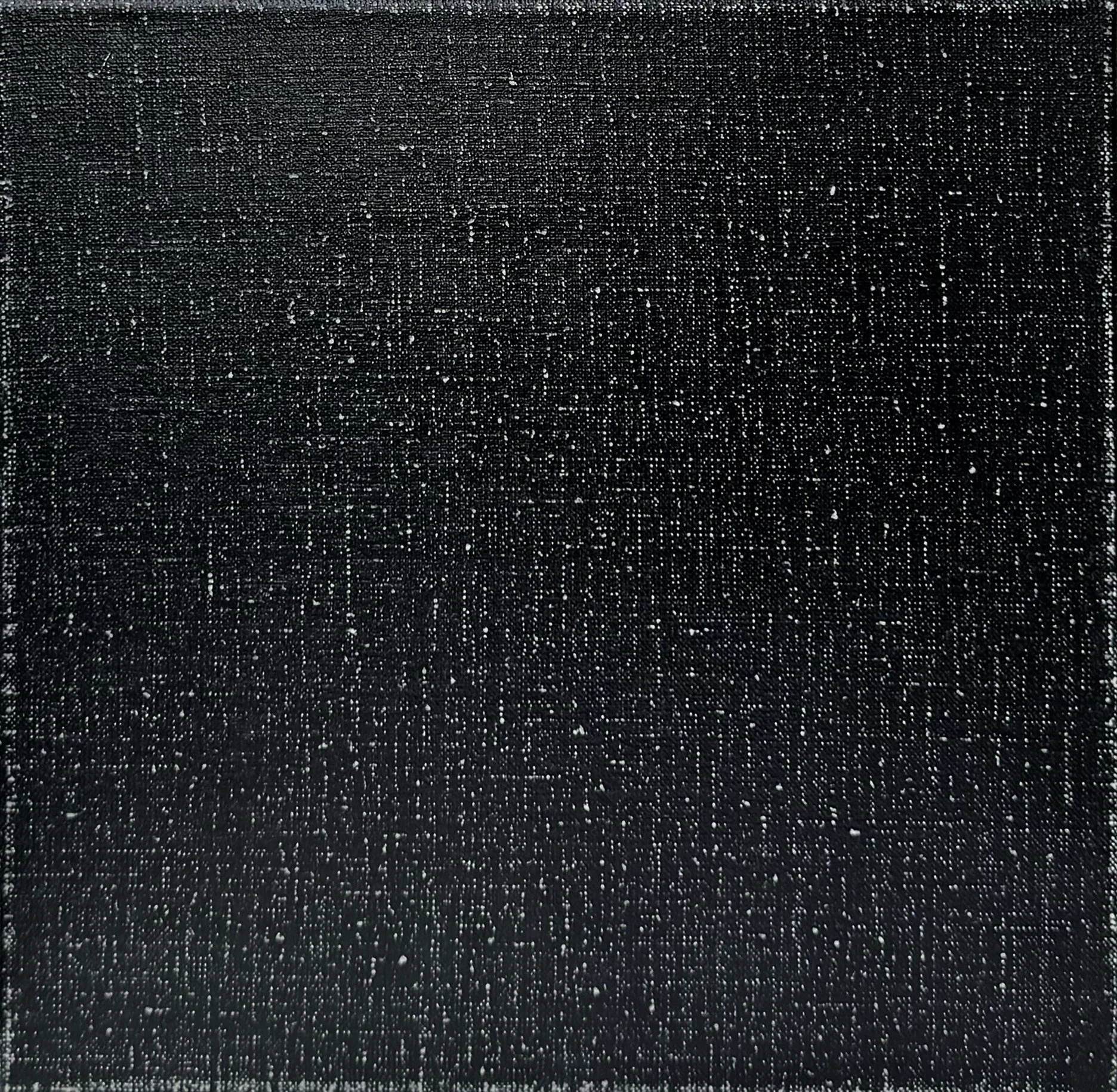
"Negative image" | oil on canvas | 30 x 30 cm (2025)
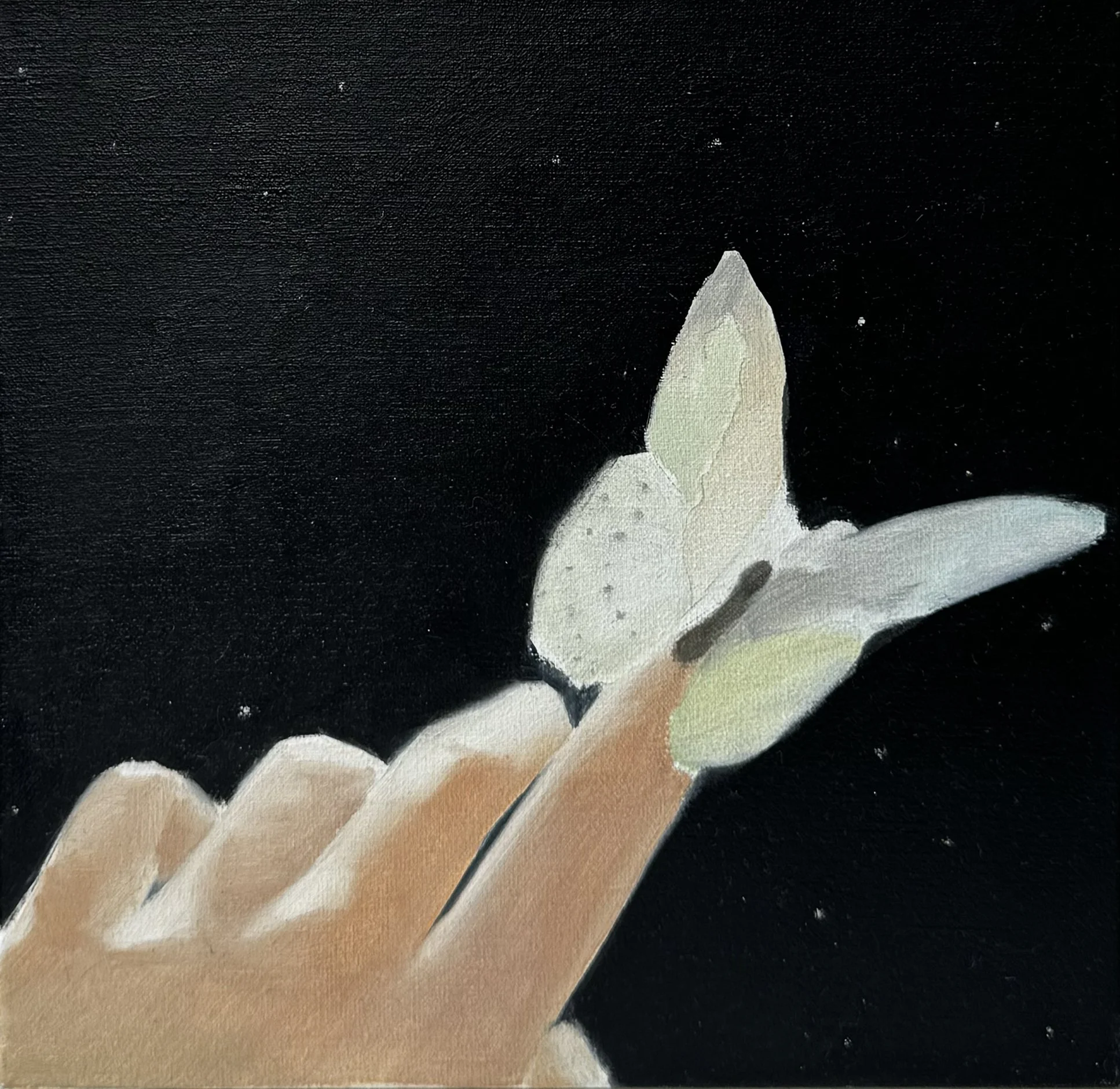
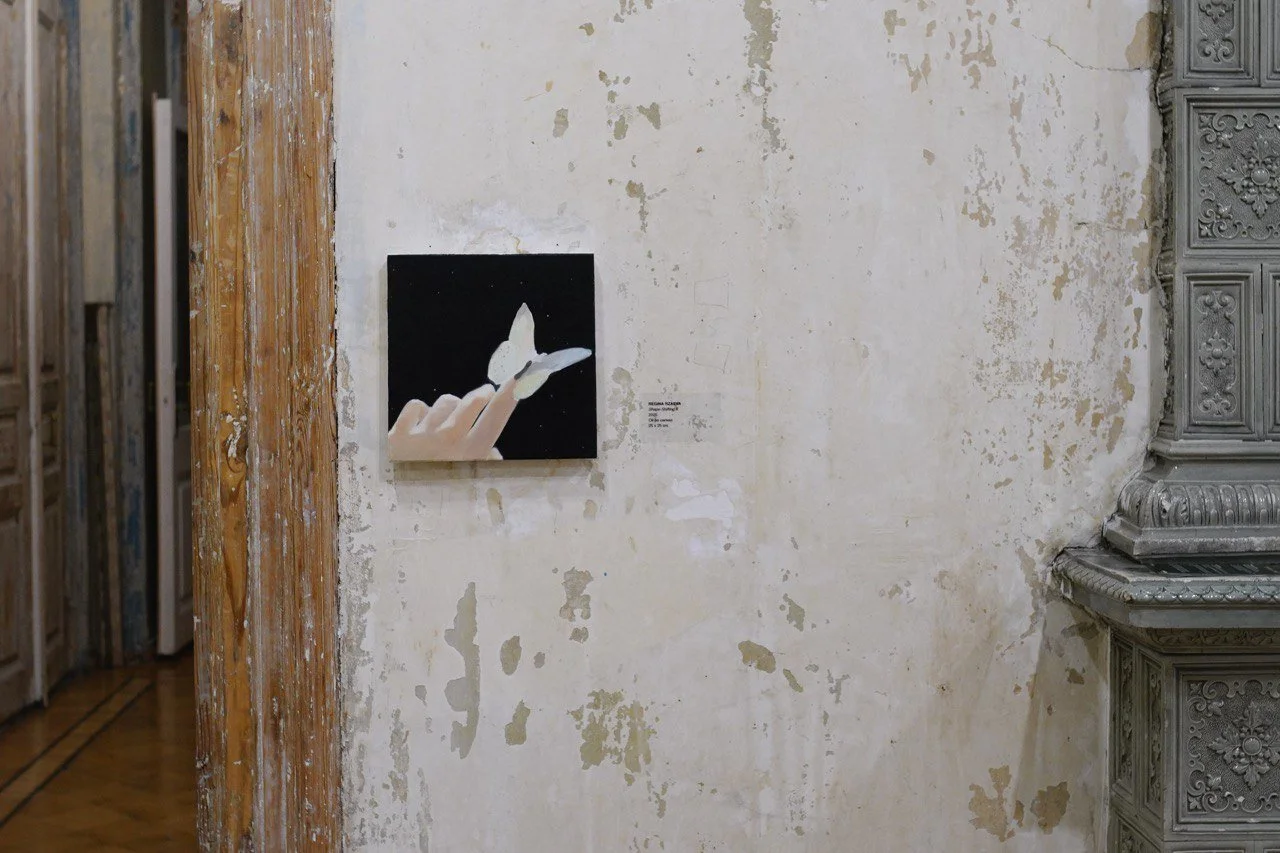
"Shape shifting ||" | oil on canvas | 25 x 25 cm (2025)
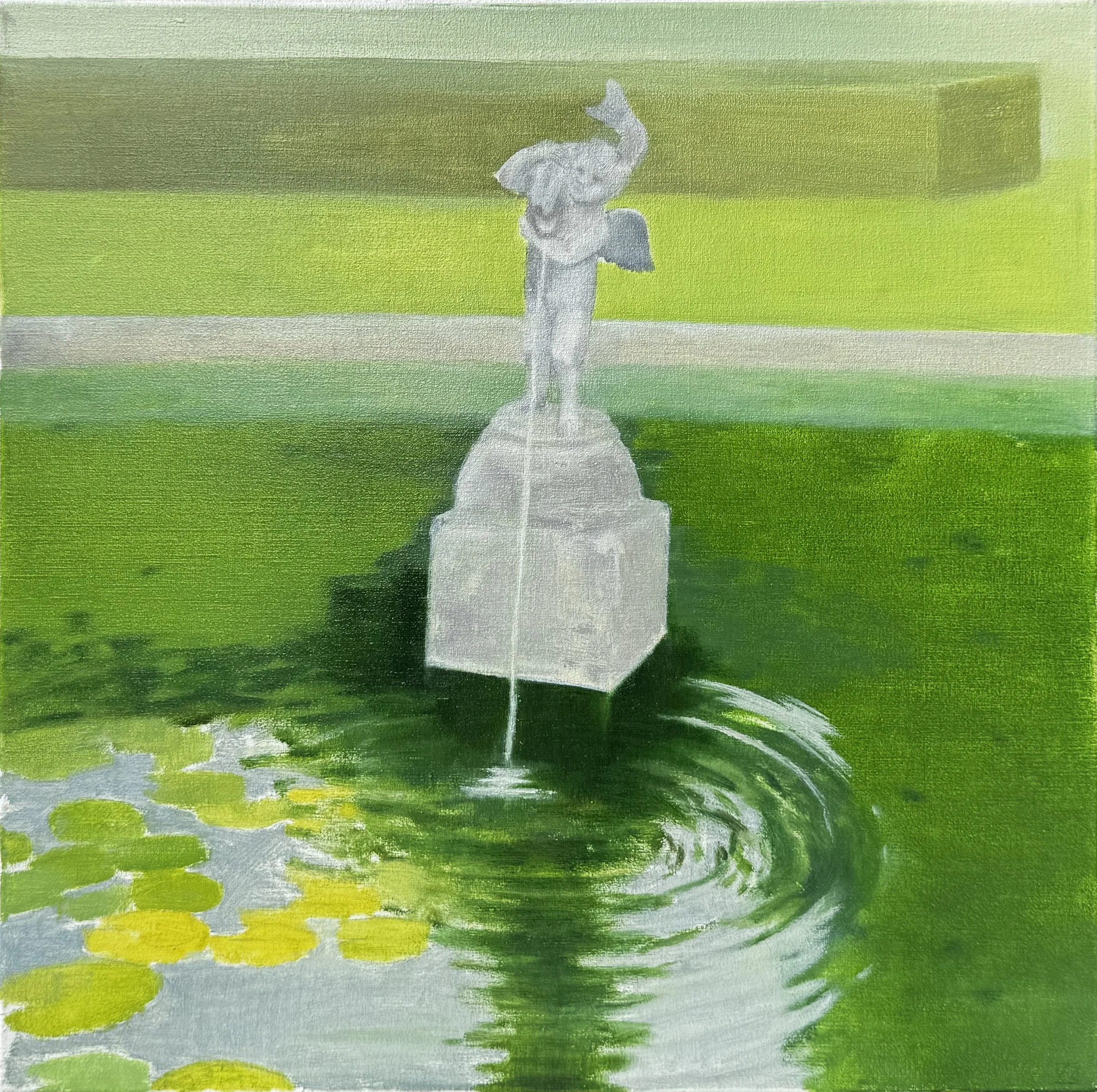
"Water lilies pond" | oil on canvas | 50 x 50 cm (2025)
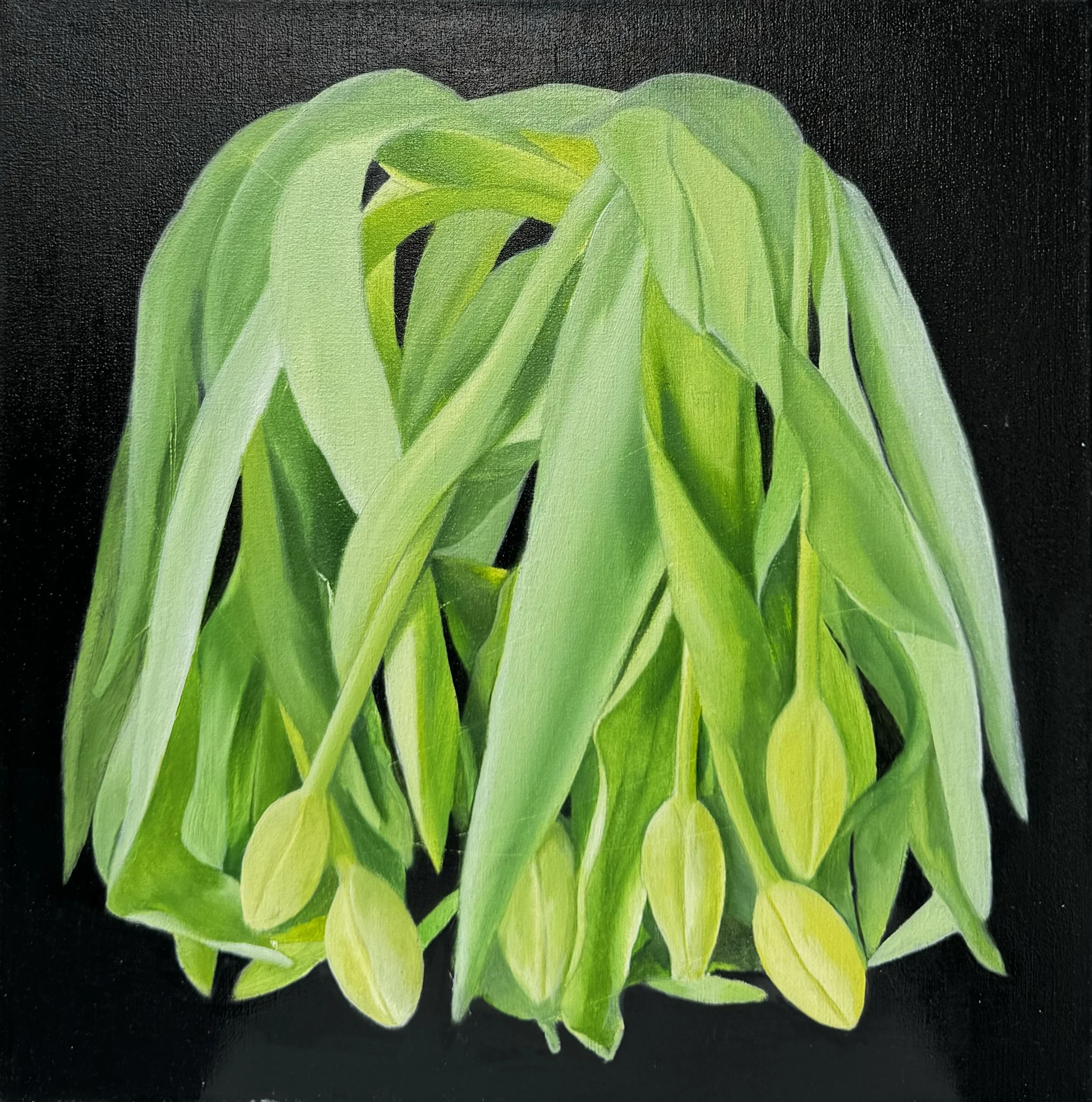
"Yellow tulips fading" | oil on canvas | 50 x 50 cm (2025)
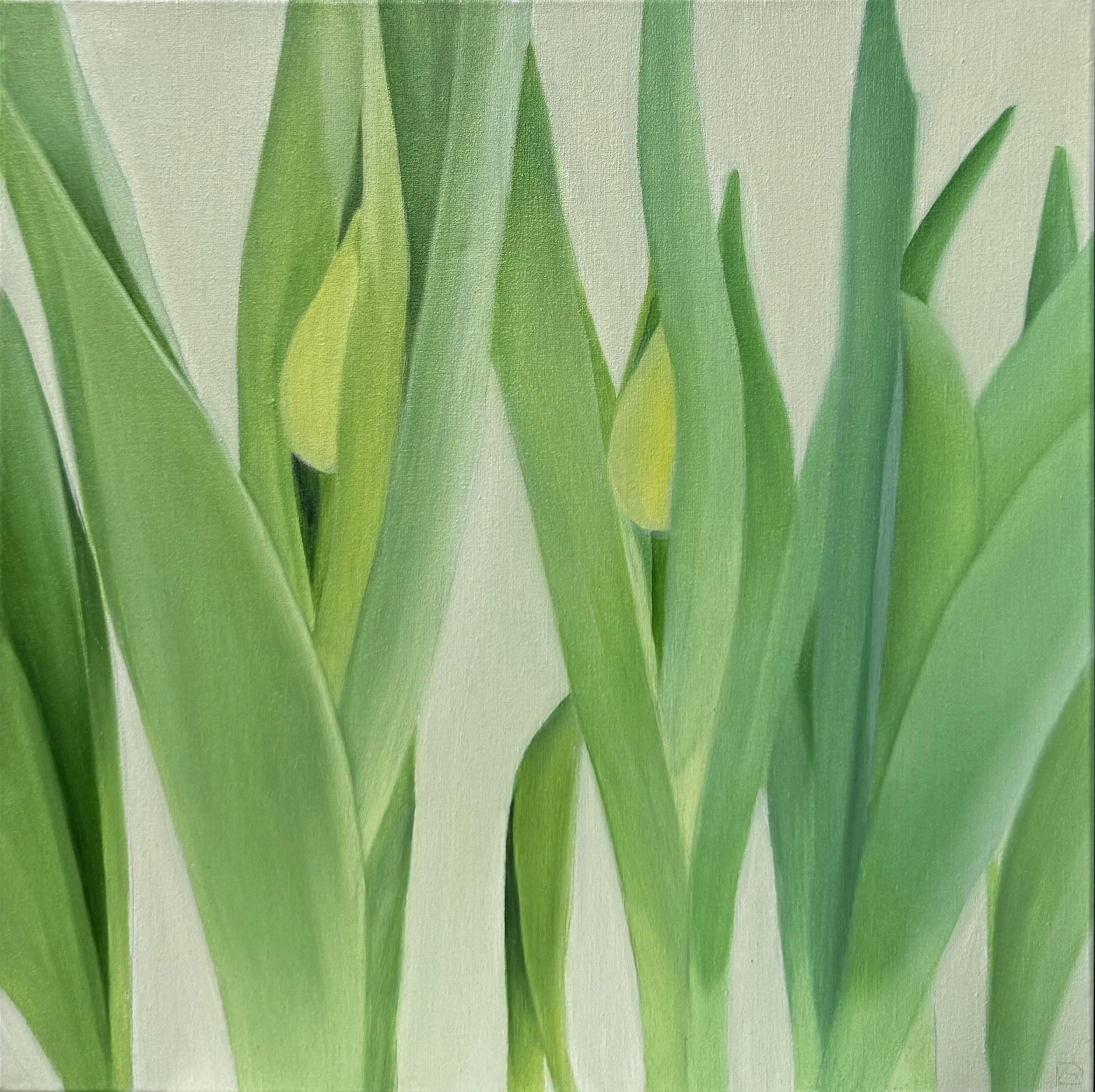
"Yellow tulips growing" | oil on canvas | 50 x 50 cm (2025)
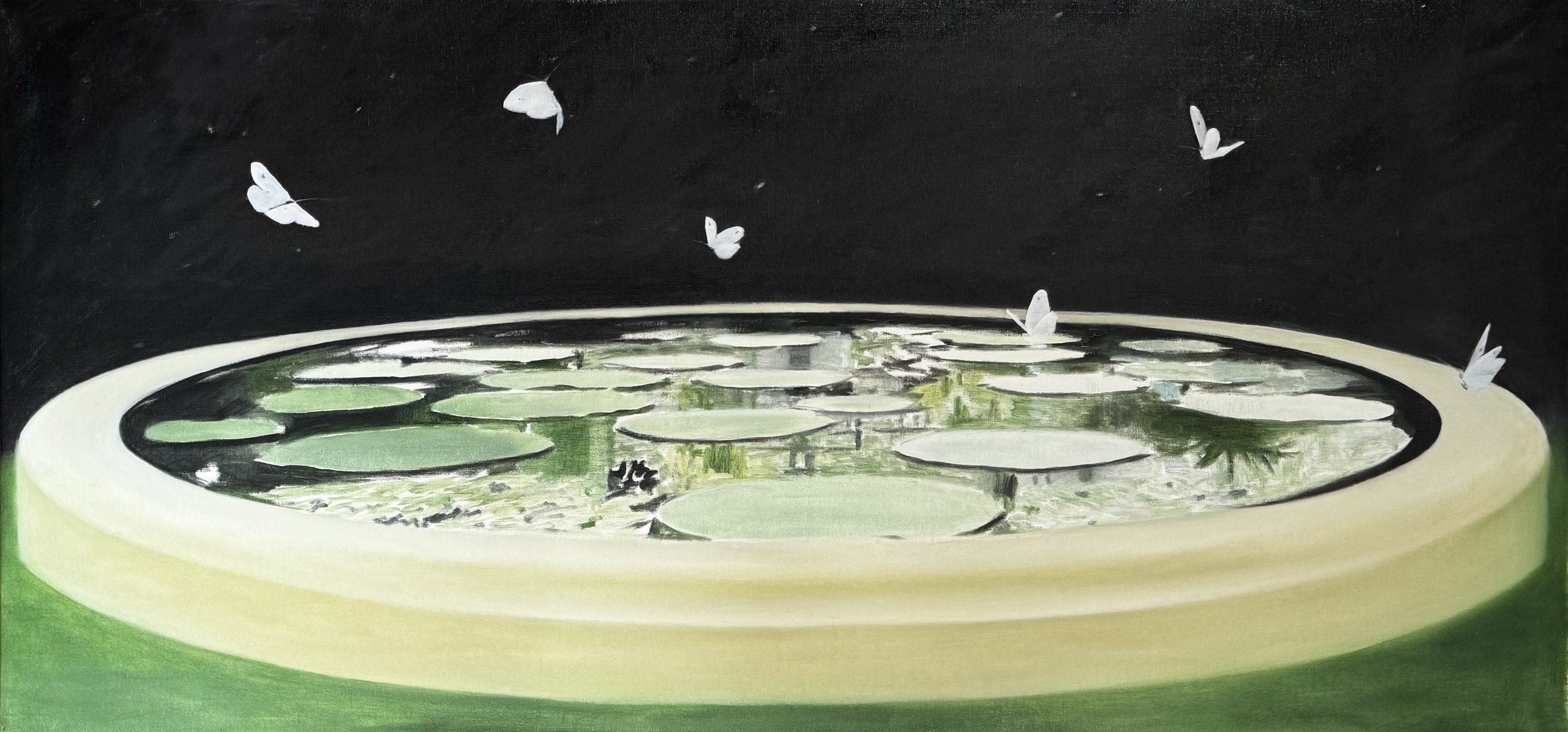
"Water lilies pond" | oil on canvas | 87 x 195 cm (2025)
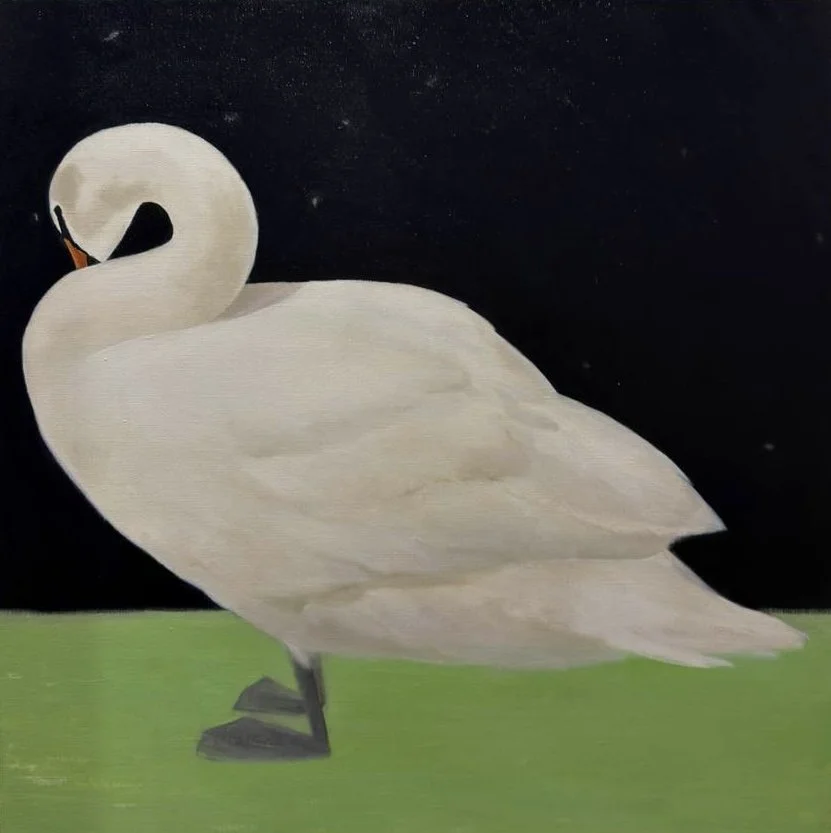
"Shape shifting" | oil on canvas | 90 x 90 cm (2025)
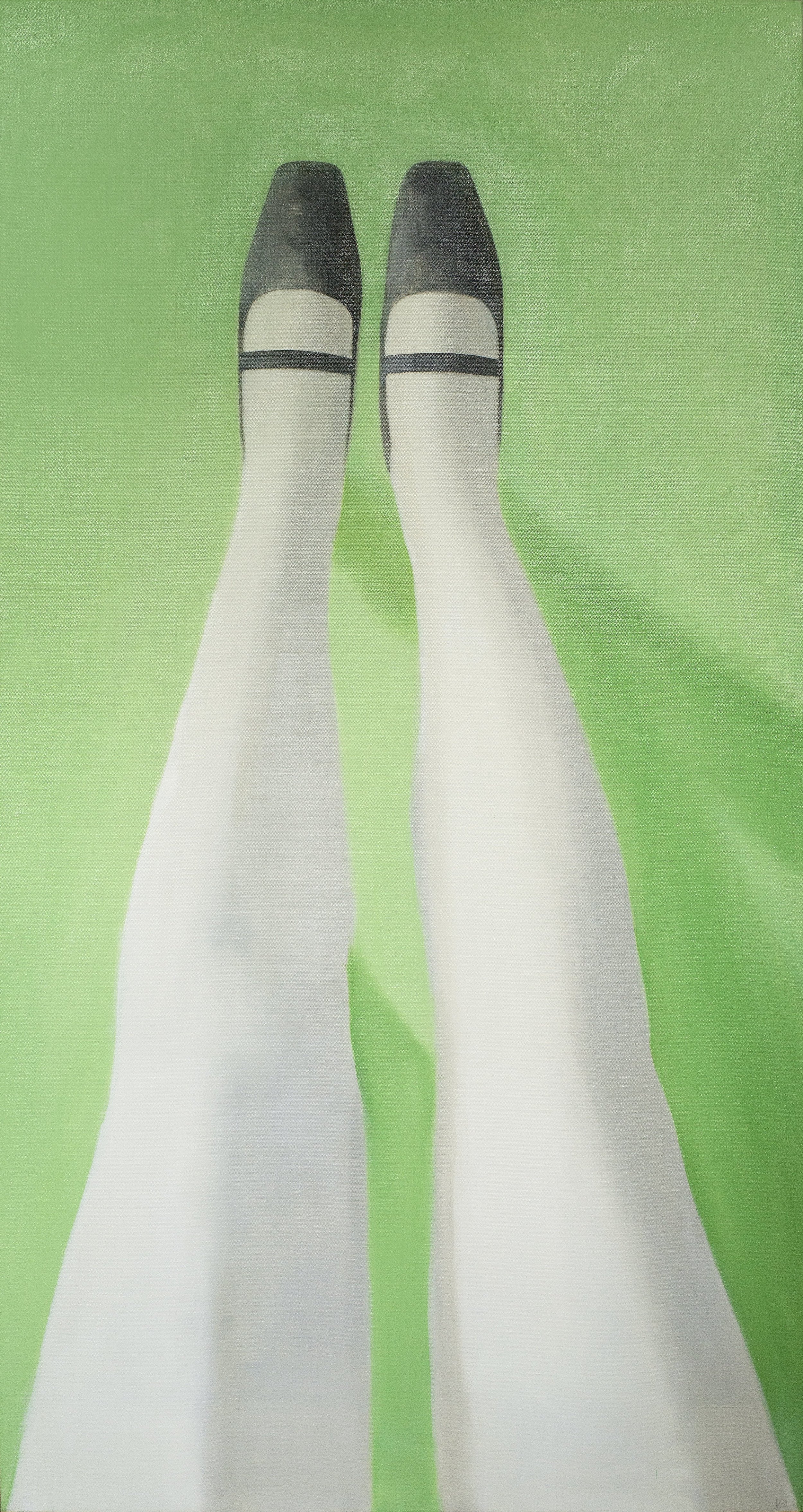
"A walk in the garden" | oil on canvas | 172 x 87 cm (2025)
Camera Obscura
The title of the exhibition comes from the Latin camera (room) and obscura (dark), referencing one of the oldest optical devices. It embodies the idea of a divided yet interconnected space: the outside world enters through a small aperture and is projected onto an internal surface. At the same time, it serves as a metaphor for distorted perception, inviting reflection on how images are formed, experienced, and interpreted.
The paintings are based on found archival photographs of a stranger. They evoke memory or dreams—fleeting, faded images frozen in time. Viewers can never be certain whether the vision is their own or someone else’s reality, creating a subtle tension between inner and outer worlds.
Some canvases are intentionally left unfinished or partially erased, drawing attention to untouched surfaces and evoking quiet presence. Water appears as a recurring motif, reflecting, distorting, and revealing the world around us.
Through its interplay of light and shadow, interior and exterior, the exhibition explores the dual nature of perception. The camera obscura becomes not only a visual model but a space in which perception itself transforms.